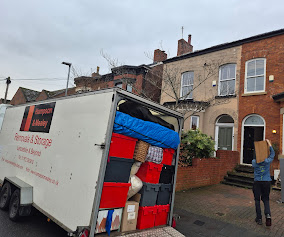
Large kitchen appliances can be some of the most awkward items in a house move. A washing machine may be easy to reach in one property but connected tightly beneath a worktop in another. A fridge freezer can be too tall for a sharp turn, and a dishwasher may still be fixed to the surrounding cabinets. These are practical details to settle before the removal vehicle arrives.
This checklist is for households planning moves in Preston, Blackpool, Kirkham, Lytham St Annes and elsewhere in Lancashire. It explains what to check yourself, when to ask for a suitably qualified tradesperson, and what information will help a removals company plan a safe, accurate quotation.
1. Decide which appliances are actually moving
Before requesting your quote, list each appliance by type and location: freestanding washing machine, integrated dishwasher, American-style fridge freezer, tumble dryer, cooker or smaller countertop equipment. Mark anything that is staying with the property or being collected separately. A photograph is helpful, but a photo does not show how an appliance is connected behind a cabinet.
For each item, note whether it is freestanding or built in, whether it can be moved without dismantling surrounding units, and whether you still have its transport accessories or manufacturer instructions. If the appliance belongs to a landlord or forms part of the sale, confirm the agreed inventory before making arrangements to remove it.
2. Arrange safe disconnection in advance
Do not assume a removals crew automatically disconnects water, electricity or gas supplies. Ask what is included in the written quote, and arrange the right professional where needed. Gas appliances must only be disconnected by someone properly qualified for that work. Hardwired electrical appliances, unfamiliar water fittings and integrated equipment are also jobs to refer to a competent professional rather than experimenting on moving morning.
For a washing machine or dishwasher, check that the water supply can be shut off safely and that supply and drain hoses can be disconnected without leaks. If you are not confident, book help before removal day. Keep a towel and shallow tray available for residual water after an authorised disconnection. An appliance should not be dragged across flooring while still attached to a pipe, cable or worktop.
3. Check the manufacturer’s moving instructions
Appliances have different transport requirements. Some washing machines use transit bolts or shipping restraints to protect the drum; others have their own specified procedures. Look up the manual for your exact make and model. Do not improvise a transport restraint or assume that advice for one machine applies to another.
Fridges and freezers may need defrosting, emptying, drying and a specified standing period after moving before they are switched back on. The correct timing depends on the appliance and how it has been transported. Follow its own manufacturer guidance rather than a blanket internet rule about how many hours to wait.
Plan for any food that cannot remain refrigerated during the journey. Keep medicines or other temperature-sensitive essentials under your own appropriate temperature-controlled arrangements, not in an appliance travelling unplugged on the van.
4. Measure the route, not just the appliance
Note each large appliance’s height, width and depth, including handles or protruding doors. Then consider the narrowest doorway, passage, staircase turn, threshold and lift at both properties. A bulky fridge freezer that fits comfortably in the kitchen may be difficult to remove through a narrow rear doorway or a small lift.
For a move from a Preston terrace or an upper-floor Blackpool flat, it is especially useful to describe the number of steps, corridor turns, available parking and walking distance from the door to the vehicle. These are examples of access challenges to check, not assumptions about any specific street or address.
Take a few clear photographs of the appliance and the difficult parts of its route. If you need help deciding what to photograph, see our removals photo checklist. Do not attempt to move a heavy appliance simply to get a better picture.
5. Prepare the appliance for safe handling
- Empty it: remove food, laundry, loose shelves, drawers and other detachable contents as directed by the manufacturer.
- Clean and dry: prevent water and residue escaping onto floors, other belongings or the removal vehicle.
- Protect removable parts: pack and label shelves, trays and accessories separately where the instructions recommend it.
- Secure without damage: ask the crew how doors and cords will be protected; avoid tape directly on delicate finishes if it may leave marks.
- Keep fittings identifiable: put manufacturer-specified transit parts, feet or accessories somewhere labelled and easy to locate.
Never try to lift a large appliance alone to save time. Bulky items may require an appropriate trolley, adequate crew, safe access and specialist handling arrangements. The correct method should be agreed after the item and route have been assessed.
6. Plan what happens at the new address
Work out the destination room and clear enough space to bring the item in safely. Check that the appliance fits its intended recess, not just the doorway. If it needs a qualified installer, arrange that separately and tell the removals company whether the appliance is being delivered to a kitchen, utility room, garage or storage.
Protect access to stopcocks and electrical isolation points. Reconnection, levelling and testing are separate from transport unless expressly included in your agreement. Inspect the appliance on arrival, then follow its installation and switch-on instructions. Do not assume the first available socket or hose arrangement is suitable.
What should you tell a removals company when requesting a quote?
Send a short item list showing the type and approximate dimensions of each appliance, whether it is integrated, its floor level at both ends, any narrow access or stairs, and who is arranging disconnection and reconnection. Mention unusual weight, loose parts or possible water leakage. Also include both postcodes, your intended moving date and whether packing or furniture dismantling is required.
A written fixed-price removals quote should make clear the agreed scope. An accurate inventory is more useful than assuming every kitchen appliance is a straightforward lift.
Frequently asked questions
Will a removal company disconnect my washing machine?
Do not assume so. Ask before booking and confirm the exact service included. Arrange a competent installer or tradesperson for anything beyond the crew’s agreed remit.
Do I need to defrost a freezer before moving?
Check the instructions for your exact appliance. Defrosting, drying and transport preparation may be required, and the safe standing period before restart may depend on the transport conditions.
What if the fridge freezer will not fit through the door?
Flag the dimensions and access before moving day. The team can assess whether safe handling is feasible or whether a different plan or specialist help is needed; do not force it through an unsuitable opening.
Can you quote for a move with several large appliances?
Yes, provide the complete inventory and access details when requesting a written removals quote. Hampson & Mealey offers fixed-cost house removals across Preston, Kirkham, Blackpool, the Fylde and surrounding areas, subject to reviewing the actual work.