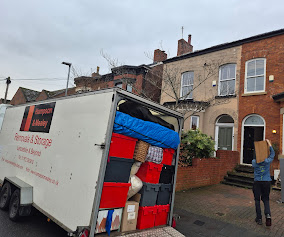
A transport price only makes sense when the job itself is clear. Before a vehicle is booked, both sides should know exactly what is moving, who is responsible for loading and unloading, what access is available and what happens if the site is not ready.
1. Describe the goods properly
Confirm what is being moved, how many items or pallets there are and any important dimensions or weights. If something is unusually fragile, awkward or cannot be stacked, say so before collection rather than when the vehicle arrives.
2. Confirm collection access
Give the transport provider the actual collection address, site contact and any restrictions that could affect the vehicle. Gates, narrow yards, loading bays, height restrictions and timed access can all change how a job needs to be planned.
3. Agree who loads
Do not assume the driver will load. Confirm whether the customer, site staff or transport provider is responsible, and whether any lifting equipment is required. The same applies at the delivery point.
4. Agree delivery access and unloading
The delivery site can be more difficult than the collection site. Confirm where the vehicle is expected to stop, who will meet it and how the goods will be taken off.
5. Set realistic timings
A collection time is not the same as a guaranteed delivery time unless that has been specifically agreed. If a venue, warehouse or customer has a fixed booking slot, make that clear before the job is priced.
6. Discuss waiting time before it happens
If loading or unloading could take a while, agree how waiting time will be handled. This is especially important for jobs involving warehouses, events and third-party sites where the transport customer does not control the whole process.
7. Check whether the job has a return or storage stage
Some jobs do not finish at delivery. Exhibition equipment may need recovering after an event; business stock may need temporary storage; pallets may need moving again later. Planning the full job at the start avoids arranging each stage separately.
Price comes after the specification
Once these details are clear, the price is far more meaningful and there is less room for surprise on the day. This is particularly useful for pallet delivery, exhibition logistics and recurring commercial transport.