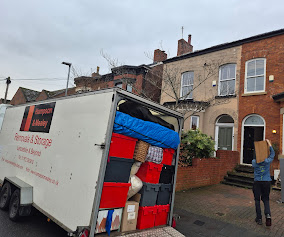

House moves do not always line up neatly. A buyer may need completion before a new property is ready, a rental may end first, or a chain may create a gap that cannot be solved by changing one moving date. Storage can turn that gap into a manageable logistics problem instead of a crisis.
What happens when completion dates do not match?
The main issue is usually not the furniture itself. It is where the contents of the property can go safely while the customer is between homes. Trying to keep everything in vans, spare rooms or with several different family members can create extra handling and confusion.
Move once into storage, then once into the new property
A planned storage move gives the household a clear sequence: pack the old property, move the contents into storage, then deliver them to the new home when access is available. That is easier to organise than making several temporary arrangements at short notice.
Keep essentials separate
Anything needed during the gap should travel with the customer rather than disappear into the back of a storage load. Clothes, medication, documents, chargers, children’s essentials and work equipment are much easier to manage when packed separately before moving day.
Label for the second move, not just the first
Boxes going into storage will eventually come out again. Clear room labels make the second move faster and reduce the amount of sorting needed at the new property.
Storage also removes pressure from the completion day
When a move depends on keys being released late in the day, having storage available can provide another option. It does not solve every chain problem, but it can prevent the entire move depending on one narrow time window.
Keep the purpose of the storage clear
This is different from storage during renovations or long-term downsizing. The purpose here is to bridge a gap between properties, so the packing and access plan should be built around a second removal at the end.